available training
Common Fire Hazards in Recycling Facilities and How to Fix Them
Practical Fire Prevention for Employees: Reducing Risk on the Floor
Practical Fire Prevention for Employees: Reducing Risk on the Floor
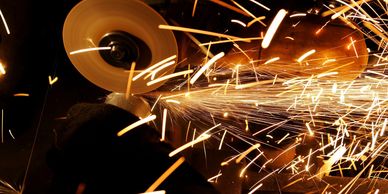
Fires in recycling facilities are rarely random—they’re tied to recurring hazards like improper storage, lithium-ion batteries, cylinders, hot work, housekeeping, and electrical risks.
This training focuses on identifying these issues and correcting them before they lead to an incident, with an emphasis on practical fixes employees can apply on the floor.
Practical Fire Prevention for Employees: Reducing Risk on the Floor
Practical Fire Prevention for Employees: Reducing Risk on the Floor
Practical Fire Prevention for Employees: Reducing Risk on the Floor

Employees are often the first line of defense when it comes to fire prevention. This training focuses on real-world hazards found on the floor, including improper storage, electrical risks, and unsafe practices.
It covers practical steps employees can take to reduce risk, respond appropriately, and prevent small issues from turning into major incidents.
Lithium-Ion Battery Fire Risks in the Recycling Industry
Practical Fire Prevention for Employees: Reducing Risk on the Floor
Compressed Gas Cylinder Hazards: Employee Awareness Training

Lithium-ion batteries are one of the leading causes of fires in recycling facilities. This training breaks down how they enter the waste stream, why they fail, and how fires start and spread.
Employees will learn where these risks show up in the process and what can be done to reduce them before they lead to an incident.
Compressed Gas Cylinder Hazards: Employee Awareness Training
Initial Fire Attack: Employee Use of Fire Hose for Exterior Fires
Compressed Gas Cylinder Hazards: Employee Awareness Training

Compressed gas cylinders often show up where they shouldn’t—and when they’re damaged or mishandled, they can explode without warning.
This lecture focuses on hazard recognition, common cylinder types, and the actions employees should take to prevent fires, explosions, and serious injuries.
Compressed Gas Cylinder Processing: Practical Skills Training
Initial Fire Attack: Employee Use of Fire Hose for Exterior Fires
Initial Fire Attack: Employee Use of Fire Hose for Exterior Fires

This hands-on training gives employees real experience safely identifying, handling, and processing compressed gas cylinders.
Participants will work through real scenarios, apply proper procedures, and practice techniques that reduce the risk of fires, explosions, and injuries during processing.
Initial Fire Attack: Employee Use of Fire Hose for Exterior Fires
Initial Fire Attack: Employee Use of Fire Hose for Exterior Fires
Initial Fire Attack: Employee Use of Fire Hose for Exterior Fires
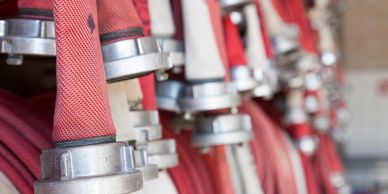
Our risk management consultants will help you identify and mitigate potential risks to your business. We'll help you develop contingency plans and ensure your business is prepared for any eventuality.
When Prevention Fails: Managing Large Fire Incidents in Recycling Operations
When Prevention Fails: Managing Large Fire Incidents in Recycling Operations
When Prevention Fails: Managing Large Fire Incidents in Recycling Operations

We all hope large incidents don’t happen, but sometimes things occur outside our control. This training focuses on preparing for and managing large-scale fire events in recycling facilities.
It covers preplanning with the fire department, Emergency Action Plans, and how the Incident Command System (ICS) is used to manage these incidents. Employees will learn their roles, what to expect when responders arrive, and how to support operations safely.
Portable Fire Extinguisher Training: Hands-On Application
When Prevention Fails: Managing Large Fire Incidents in Recycling Operations
When Prevention Fails: Managing Large Fire Incidents in Recycling Operations

This hands-on training gives employees real experience using fire extinguishers in a controlled environment.
Participants will learn how to select the right extinguisher, understand fire classes, and apply proper techniques. The training reinforces a key decision point—when it’s safe to fight a fire and when it’s time to get out.
Stop the Fire Before It Starts: Inbound Hazard Identification Training
When Prevention Fails: Managing Large Fire Incidents in Recycling Operations
Stop the Fire Before It Starts: Inbound Hazard Identification Training
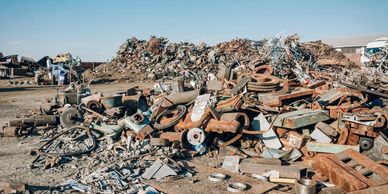
Most fires in recycling facilities start with something that never should have been there in the first place.
This training focuses on inbound inspection and hazard recognition, helping employees identify and remove high-risk items like lithium-ion batteries, cylinders, and other dangerous materials before they enter the process.
Full-Scale Facility Fire Drill and Evaluation
Stop the Fire Before It Starts: Inbound Hazard Identification Training

This full-scale drill simulates a real fire event to evaluate how your facility performs under pressure.
It tests alarms, evacuation, communication, and coordination with the fire department in real time. After the drill, you’ll get a detailed breakdown of what worked, what didn’t, and what needs to improve.
Effective Site Preplans for Emergency Response
Effective Site Preplans for Emergency Response

Most preplans look good on paper but fall apart when they’re needed.
This training focuses on building preplans that actually work—covering site access, water supply, hazards, and critical information responders need to make fast decisions. It also covers how to coordinate with your local fire department so they know your site before an incident happens.
Hot Work Safety and Fire Watch Training
Effective Site Preplans for Emergency Response

Hot work is one of the leading causes of industrial fires—and most of them are preventable.
This training focuses on proper permitting, hazard control, and the role of the fire watch. Employees will learn what to check before work starts, what to monitor during operations, and when to stop work before a small issue becomes a major fire.
Practical Leadership for High-Risk Operations: Lessons from the Fire Service
Practical Leadership for High-Risk Operations: Lessons from the Fire Service

In high-risk operations, leadership failures show up fast—and the consequences can be severe. This training takes real-world leadership principles from the fireground and applies them directly to industrial environments.
It focuses on decision-making under pressure, clear communication, accountability, and recognizing early warning signs before conditions get out of control. Participants will learn how to take control of situations, support their teams, and make better decisions when it matters most.
Lockout/Tagout (LOTO): Controlling Hazardous Energy
Practical Leadership for High-Risk Operations: Lessons from the Fire Service
Unexpected equipment startup is one of the leading causes of serious injuries in industrial operations. This training focuses on the proper application of Lockout/Tagout (LOTO) procedures to control hazardous energy and protect employees during maintenance, cleaning, and repair activities.
It covers identifying energy sources, applying locks and tags, verifying isolation, and understanding employee roles and responsibilities. The training emphasizes practical use—what needs to be done, when it needs to be done, and how failures in LOTO lead to real incidents.
Arc Flash Hazards: High Voltage Electrical Safety Training
Arc flash events are fast, violent, and often unforgiving. This training breaks down how they occur, what makes them more likely, and what employees need to recognize before it’s too late.
The focus is on staying out of danger—understanding energized equipment, maintaining proper boundaries, and avoiding the actions that lead to serious injuries or fatalities. Employees will leave with a clear understanding of the risks and when not to engage.
Forklift Operator Certification Training
This training meets OSHA requirements for forklift operator certification, combining classroom instruction with hands-on evaluation. Employees will learn safe operation, hazard recognition, inspections, and site-specific risks, followed by a practical skills assessment.
Operators must be evaluated and certified before operating equipment, with refresher training and re-evaluation required at least every three years—or sooner if unsafe operation, incidents, equipment changes, or workplace changes occur.
Custom Training Available
Custom Training Available
Not every facility fits into a standard training program. If you don’t see what you need, we can build it.
We work with subject matter experts across multiple disciplines to develop training specific to your operation, risks, and challenges. Bring us the problem—we’ll put together a solution that fits.